
Selected Projects & Case Studies
26 / Business Second Opinion — Pre-Investment Review & Risk-Controlled Launch Planning
Project Type: Multi-Project Business Review & Decision Support
D7 Role: Feasibility Review, Risk Assessment, Business Model Validation & Launch Planning
Location: New York City, NJ & PA / United States / Europe
Initial Situation:
Business owners often prepare to invest in marketing, hiring, expansion, technology, branding, restructuring, new systems, acquisitions, or market entry before fully understanding what is happening inside the business.
Proposed decisions may be based on internal assumptions, incomplete information, urgent operational pressure, or recommendations from vendors interested in selling their own services.
When the underlying issue is weak operations, unclear responsibilities, margin pressure, limited execution capacity, poor coordination, or an inconsistent customer experience, additional investment may increase complexity without solving the real problem.
What We Can Do:
— Independently review the proposed investment, business decision, expansion plan, or operational change
— Examine the company’s current operations, priorities, team structure, financial logic, customer experience, and execution capacity
— Challenge assumptions and determine whether the proposed solution addresses the root problem
— Evaluate plans, budgets, timelines, vendor proposals, and implementation requirements
— Identify operational gaps, hidden dependencies, potential losses, and execution risks before resources are committed
— Compare available options and clarify what should proceed, change, wait, or stop
— Develop a practical action plan with clear priorities, responsibilities, sequencing, and next steps
— Where needed, support implementation and keep workstreams aligned with the company’s budget, operations, positioning, and business goals
Client Outcomes & Business Value:
— A clearer understanding of what is actually happening inside the business
— Identification of the root problems that should be addressed before further investment
— An independent basis for deciding whether to proceed, modify, postpone, or stop a proposed initiative
— Reduced risk of spending money on solutions that do not address the underlying business issues
— Clearer priorities for where management attention, time, and resources should be focused
— A practical plan defining what to fix, strengthen, simplify, test, or validate first
— Better alignment between strategy, operations, team capacity, vendors, budget, and execution
— A more controlled path forward before committing significant financial or organizational resources


25 / Partnership Ecosystem & Collaboration Framework
Project Type: Strategic Partnership System
D7 Role: Business Strategy • Partnership Development • Hospitality Systems
Location: Manhattan, New York City & New Jersey
Case Study — View
Initial Situation: The hospitality business needed to establish partnerships with restaurants, hotels, venues, creative professionals, suppliers, and local brands. However, there was no structured collaboration model, no standardized communication, and no consistent process for attracting or managing partners. Each new conversation required creating materials from scratch, making the partnership process slow, inconsistent, and difficult to scale.
What We Did:
— Designed a complete partnership strategy aligned with the business model
— Defined partnership categories for venues, restaurants, hotels, brands, creative professionals, suppliers, and strategic collaborators
— Built a standardized collaboration framework for different partner types
— Developed professional partnership proposals for multiple business scenarios
— Created collaboration guidelines covering responsibilities, communication, pricing logic, referral structure, and service coordination
— Established operational workflows for partner onboarding and future collaboration
— Structured documentation to support consistent business development and long-term relationship management
Result: Instead of relying on informal conversations or one-off agreements, the business gained a scalable partnership system that could be used to approach new partners with a clear value proposition and standardized documentation. The result was a repeatable framework supporting business development, hospitality operations, and long-term ecosystem growth while reducing preparation time for future collaborations.


24 / Commercial Partnership Infrastructure
Project Type: Sponsorship Strategy & Partnership Development
D7 Role: Business Strategy • Partnership Systems • Commercial Development
Location: Manhattan, New York City & New Jersey
Case Study — View
Initial Situation: The business planned to host curated hospitality experiences and community events but lacked a structured sponsorship model. There was no clear sponsorship strategy, no defined partner categories, no sponsorship packages, and no professional materials explaining how local businesses and brands could participate or benefit from collaboration. Without a structured system, every sponsorship conversation had to start from scratch.
What We Did:
— Designed the sponsorship strategy aligned with the business model
— Defined sponsorship categories for businesses, brands, venues, and in-kind partners
— Developed sponsorship packages with different participation levels
— Structured sponsor benefits across events, digital channels, and hospitality experiences
— Created professional sponsorship proposals and supporting documentation
— Established partnership workflows for future sponsor acquisition and relationship management
— Built a repeatable commercial framework that could be adapted for different events and initiatives
Result: The business received a structured sponsorship system instead of individual sponsorship requests. Potential partners could clearly understand the opportunity, available collaboration formats, expected benefits, and long-term value of participation. The resulting framework simplified sponsor outreach, improved presentation quality, and created a scalable foundation for future hospitality events and community initiatives.


23 / Acquisition Review & Exit Readiness
Project Type: Multi-Project Acquisition Review, Business Sale Preparation & Transition Support
D7 Role: Operational Due Diligence, Risk Assessment, Exit Preparation & Transition Planning
Location: NYC Metro, New Jersey / United States / Europe
Case Study — View
Initial Situation:
Business owners, buyers, and investors often approach a sale or acquisition using financial statements, listing information, valuations, and transaction documents without fully understanding how the business operates in practice.
A seller may have stable revenue but still depend heavily on the owner, undocumented processes, inconsistent reporting, concentrated supplier or customer relationships, unclear team responsibilities, and operational issues that reduce business value or complicate the transfer.
A buyer may understand the purchase price but lack visibility into the company’s daily operations, margin pressure, working-capital requirements, key-person dependencies, transition risks, and the resources required after the transaction.
Without an independent operational review and a structured transition plan, a transaction may transfer existing problems rather than resolve them.
What We Can Do:
— Reviewed the business model, revenue structure, margins, costs, operations, team, suppliers, customers, systems, and reporting
— Assessed how the business operated in practice beyond financial statements, listings, and management assumptions
— Identified operational risks, hidden dependencies, value leakage, transition challenges, and post-transaction priorities
— Evaluated acquisition assumptions, required resources, implementation capacity, and operating needs after closing
— Strengthened exit readiness through clearer processes, documentation, reporting, accountability, and management visibility
— Developed prioritized recommendations, transition plans, and a foundation for post-acquisition stabilization, cost control, and continued growth
Business Value:
— Clearer visibility into the business’s operations, risks, dependencies, and transition requirements
— A stronger basis for deciding whether to proceed, renegotiate, restructure, postpone, or stop the transaction
— Improved seller readiness through clearer processes, reporting, documentation, accountability, and transferability
— Reduced uncertainty around owner dependency, team continuity, supplier relationships, customer retention, and day-to-day management
— A structured transition plan supporting business continuity, cash flow, operational control, post-acquisition stabilization, and long-term value creation
22 / Commercial Space, Brand & Customer Experience Development
Project Type: Multi-Project Commercial Interior, Brand & Business Development
D7 Role: Business Strategy, Brand Development, Customer Experience & Interior Design Coordination
Interior Design Partner: LRNK Design Studio
Location: New Jersey / United States / International
Project website — View
Initial Situation: Businesses opening, renovating, or repositioning a physical location often develop the interior, brand, customer experience, and operating model separately. The space may look attractive but fail to support customer flow, staff workflow, service delivery, product presentation, privacy, capacity, or daily operations. At the same time, the interior, brand identity, signage, menus, packaging, and digital materials may lack one consistent direction. This creates disconnected customer experiences, inefficient use of space, unclear design decisions, costly revisions, and a location that does not fully support the business behind it.
What We Can Do:
— Review the business concept, target customer, service model, location, budget, operational needs, and growth plans
— Define how the space should support customer experience, staff workflow, functionality, capacity, service delivery, and brand positioning
— Develop or refine the business concept, brand identity, visual direction, signage, menus, packaging, printed materials, and digital presentation where required
— Translate business and customer-experience requirements into a clear strategic brief for the interior design team
— Coordinate key decisions between the client and LRNK to keep the business strategy, brand, and interior direction aligned
— Review important design stages and provide strategic guidance before major implementation decisions are made
LRNK Interior Design Scope
— Space planning and functional layouts
— Interior design concept and visual direction
— Realistic 3D visualizations
— Furniture, materials, finishes, and lighting specifications
— Custom interior and furniture solutions where required
— Project documentation prepared for implementation by the client’s licensed architects and contractors
Business Value:
— One coordinated direction across the business concept, brand, interior, and customer experience
— A more functional commercial space designed around real customer and operational requirements
— Better alignment between customer flow, staff workflow, service delivery, product presentation, and brand positioning
— Greater consistency across the interior, signage, menus, packaging, printed materials, and digital channels
— Clearer decisions before implementation, reducing unnecessary revisions, design conflicts, delays, and avoidable expenses
— Defined responsibilities between business strategy, branding, interior design, and local implementation teams
— A stronger physical business asset that can support customer trust, operational stability, and long-term brand value
— A concept that can be adapted for future locations, renovations, franchises, or new business formats
Suitable For: Cafés, restaurants, bars, lounges, retail stores, offices, spas, beauty businesses, medical clinics, educational spaces, entertainment venues, and other customer-facing commercial locations.

21 / Beverage Strategy, Brand & Launch Development
Project Type: Multi-Project Beverage Concept, Brand, Packaging & Commercial Launch Preparation
D7 Role: Beverage Strategy, Product Positioning, Brand Development, Packaging Design, Retail & Wholesale Strategy, Partner Research & Launch Planning
Location: United States / International
Initial Situation: Founders, beverage producers, and hospitality businesses often begin with a product idea or an existing drink line but lack alignment between the product, target customer, consumption occasion, pricing, packaging, production requirements, and intended sales channels. A startup may need to turn an early idea into a structured beverage concept. An existing producer may need a new product, refreshed brand, or stronger retail presentation. A hospitality group may want signature drinks, RTD concepts, or a private-label line. A white-label project may require suitable production and packaging partners. Without one strategic direction, these projects can face unclear positioning, weak differentiation, unsuitable packaging, unrealistic production assumptions, repeated revisions, and premature investment.
What We Can Do:
— Define the project scope, whether it involves a new beverage brand, product extension, rebrand, RTD, hospitality concept, or white-label line
— Analyze the target customer, consumption occasion, category, competitors, pricing, and retail, wholesale, hospitality, or direct-to-consumer opportunities
— Develop the product concept, positioning, value proposition, format, flavor direction, product architecture, and key differentiation
— Prepare a strategic product brief for manufacturers, beverage developers, breweries, distilleries, or formulation specialists
— Create or refine the brand name, identity, story, messaging, packaging concepts, labels, and production-ready design files
— Research and compare production and packaging partners based on capabilities, minimum quantities, indicative costs, timelines, and project requirements
— Prepare commercial materials, pilot strategy, and launch roadmap while coordinating key decisions between the client, branding team, production partners, and relevant specialists
Business Value: Our experience across retail, wholesale, hospitality, branding, and commercial partnerships helps us evaluate beverage projects as products that must work for consumers, operators, buyers, and production partners—not only as visual brands
— A clearer beverage concept aligned with the target customer, occasion, pricing, positioning, and sales channels
— Stronger consistency across the product, brand identity, packaging, shelf presence, hospitality experience, and digital communication
— Better preparation for discussions with manufacturers, suppliers, retailers, distributors, and commercial partners
— Earlier identification of production constraints, minimum quantities, packaging requirements, cost risks, and unclear assumptions
— Clearer decisions before implementation, reducing unnecessary revisions, design conflicts, delays, and avoidable expenses
— Reduced risk of redesigns, production misunderstandings, and premature investment, supported by a practical pilot roadmap and reusable brand and commercial assets
Suitable For: Beverage startups, founders, distilleries, breweries, beverage manufacturers, bars, restaurants, hospitality groups, RTD projects, private-label products, and white-label beverage concepts.


20 / Team Structure & Critical Hiring Risk
Project Type: Multi-Project Team Structure Review & Critical Hiring Advisory
D7 Role: Organizational Review, Critical Role Definition, Hiring Risk Assessment & Selection Support
Location: NYC Metro, New Jersey / United States
Case Study — View
Initial Situation:
Business owners often begin hiring when execution slows, the founder becomes overloaded, responsibilities are unclear, or growth puts pressure on the organization. However, another employee may not solve the underlying problem. The business may first need clearer roles, stronger processes, better accountability, or a different management structure.
Without defined authority, expected outcomes, and team interfaces, even an experienced candidate may struggle to succeed. Traditional screening can also overvalue titles, keywords, and conventional career paths while overlooking judgment, leadership, adaptability, and cross-functional capability.
A poorly designed or incorrectly filled critical role can increase payroll costs, disrupt the team, delay execution, affect customers, create missed opportunities, and force the company to restart the hiring process.
What We Can Do:
— Review business goals, workload, team structure, responsibilities, and decision bottlenecks before approving a new role
— Determine whether the business needs a full-time hire, leader, specialist, contractor, restructuring, or process improvement
— Define the role’s purpose, authority, responsibilities, reporting structure, performance outcomes, and first 90-day priorities
— Build a practical candidate profile and assess operational capability, strategic thinking, leadership, judgment, communication, adaptability, and cross-functional execution
— Review hiring assumptions, shortlists, interviews, compensation, and fit risks, then support selection, onboarding, accountability, and transition where required
Business Value:
— Clearer decisions on whether hiring is the right solution and which role the business actually needs
— Reduced risk of creating the wrong position, selecting the wrong person, or increasing payroll before the company is ready
— Stronger role clarity, candidate evaluation, reporting lines, accountability, and performance expectations
— Lower exposure to repeated hiring costs, delayed execution, team disruption, customer issues, and prolonged onboarding
— Reduced founder dependency and a stronger organizational foundation for stable performance, scalable growth, and future leadership development
19 / Surf Liquors — Retail Operations, Margin Improvement & Exit Preparation
Project Type: Business Performance & Operational Improvement
D7 Role: Operations Leadership, Procurement, Cost Control & Exit Preparation
Location: New Jersey, USA
Project website — View
Initial Situation: Surf Liquors operated as a high-volume beverage retailer in a competitive market. Sales were stable, but inventory management, purchasing, supplier coordination, internal workflows, and performance tracking lacked consistent structure. The business faced margin pressure, uneven stock levels, supplier dependency, and heavy reliance on manual coordination. This limited operational efficiency, management visibility, and the company’s ability to grow or prepare for an eventual sale.
What We Did:
— Led daily operations across sales, inventory, customer service, and an 8–15-person team
— Structured workflows, responsibilities, operating procedures, and communication across ownership, staff, and suppliers
— Improved purchasing, supplier negotiations, inventory forecasting, stock control, and product turnover
— Introduced KPI tracking, budgeting, COGS monitoring, and margin control
— Developed customer loyalty and repeat-purchase tracking while improving in-store, delivery, private event, and corporate service
— Maintained regulatory compliance and prepared the company’s operations and reporting for the owner’s exit
Measured Results & Business Outcome:
— Reduced operating expenses by 5–15% through procurement improvements, supplier negotiations, and process optimization
— Improved inventory control, product availability, supplier reliability, and purchasing decisions
— Created clearer accountability, performance tracking, and more predictable daily operations
— Transitioned the business from reactive management to a structured operating model focused on efficiency and margin control
— Prepared the company operationally for sale
The business was subsequently acquired by another operator as part of its expansion along the New Jersey coast.


18 / Portugal Advisory — Market Entry, Operations & Local Coordination
Project Type: International Venture Development & Market Entry
D7 Role: Strategy, Positioning, Service Design & Operational Infrastructure
Location: Lisbon, Portugal
Project website — View
Initial Situation: The project was developed to support international founders, buyers, investors, and foreign owners navigating business, acquisition, and project opportunities in Portugal. The market involved fragmented communication across local specialists, contractors, and service providers, with no clear brand, structured offering, or coordinated client process.
What We Did:
— Defined the market position, service model, brand identity, and client offering
— Structured services across business advisory, market entry, opportunity review, acquisition support, operations, and project coordination
— Developed a coordinated model for working with trusted local legal, financial, property, and technical specialists
— Established client management, project flow, partner coordination, and execution processes
— Created the website, content structure, SEO foundation, and market communication
— Introduced a structured approach to diagnosing client goals, identifying priorities, and coordinating next steps
Business Outcome:
— Built and launched a structured Portugal-focused advisory platform for international clients
— Created one coordinated point of contact across multiple business, ownership, and project needs
— Reduced fragmentation by connecting strategy, local expertise, decision support, and execution coordination
— Transitioned the business from reactive management to a structured operating model focused on efficiency and margin control
— Established a scalable foundation for supporting clients through market entry, acquisitions, operational improvement, and complex projects in Portugal


17 / Swiss Property Advisory — Real Estate Strategy, Transaction Coordination & Design Consulting
Project Type: International Real Estate Advisory Platform Development
D7 Role: Market Positioning, Service Architecture, Partner Coordination
Location: Switzerland
Project website — View
Initial Situation: The project was developed from the ground up to support international clients navigating property opportunities in Switzerland market. There was no established brand, structured service offering, or distinct market position. In a competitive and fragmented environment, the business risked being perceived as another property intermediary without a clear advantage or coordinated client process.
What We Did:
— Developed the name, brand identity, visual system, and market positioning
— Structured the service offering around property discovery, opportunity review, transaction coordination, and project support
— Built a network of trusted property, legal, banking, design, and local service specialists in Switzerland
— Established the client journey, partner coordination, project management, and core operating processes
— Designed and launched the website with its content, SEO foundation, and market communication strategy
Business Outcome:
— Created and launched a clear, structured, and internationally focused property advisory platform
— Established a coordinated service model connecting property decisions with local professional expertise and project execution
— Differentiated the business from traditional agents and fragmented intermediaries
— Built a scalable foundation for supporting international clients through property discovery, transaction coordination, design, and post-acquisition projects


16 / Bartelini — Hospitality Platform & Experience Coordination
Project Type: Hospitality Venture Development & Market Positioning
D7 Role: Business Model, Service Architecture, Client Journey & Partner Network Development
Location: Manhattan, New York City & New Jersey
Project website — View
Initial Situation: Bartelini was developed for private and business clients seeking refined hospitality and lifestyle experiences in Manhattan and New Jersey. Without clear positioning, structured service offers, or a defined client journey, the business risked being perceived as another event coordination service. The concept needed to communicate privacy, taste, trusted partnerships, practical coordination, and a consistent guest experience.
What We Did:
— Defined the business model, market positioning, brand language, and target client groups
— Structured the core offering across private dining, romantic occasions, business hospitality, art and music experiences, and selected lifestyle requests
— Built a partner-based service model connecting restaurants, venues, chefs, musicians, florists, photographers, transportation, and hospitality providers
— Created a clear client journey from initial inquiry and availability review through proposal, booking, coordination, and execution
— Developed the website, SEO foundation, service presentation, quote request process, and communication standards
— Positioned Bartelini around one point of contact, discretion, limited availability, quality control, and calm execution
Business Outcome:
— Repositioned and launched Bartelini as a structured hospitality and lifestyle coordination platform for private and business clients
— Created a clear service offering connecting place, food, atmosphere, timing, partners, and guest experience through one organized point of contact
— Differentiated the business from traditional event coordination through intimate formats, trusted partners, privacy, and curated execution
— Established a scalable foundation for private dining, business hospitality, romantic experiences, art and music events, selected lifestyle requests, and long-term partner relationships in Manhattan and New Jersey
15 / Bartelini — Investment Positioning & Strategic Partnership Infrastructure
Project Type: Investor Readiness & Strategic Partnership Development
D7 Role: Positioning, Investor Communication, Partnership Strategy & Growth Framework
Location: Manhattan, New York City & New Jersey
Case Study — View
Initial Situation: Bartelini was being developed as a hospitality and lifestyle platform connecting private clients, business communities, venues, brands, sponsors, artists, and service partners. However, the project did not yet have a structured way to communicate its long-term potential to investors, hospitality operators, founders, and strategic partners. There was no clear investor-facing narrative, defined partnership logic, or controlled process for discussing potential participation. Without this structure, conversations risked becoming informal, inconsistent, or focused only on short-term funding rather than strategic value and long-term alignment.
What We Did:
— Defined the project’s investor and strategic-partner positioning
— Structured the business narrative around hospitality, curated experiences, trusted relationships, partnerships, and ecosystem development
— Identified relevant participant categories, including private investors, hospitality operators, founders, business partners, and strategic collaborators
— Developed an investor-facing communication framework explaining the concept, market direction, operating support, and potential long-term value
— Created a controlled process for initial conversations, partner qualification, private discussions, and the sharing of additional investor materials
— Structured potential investment and partnership discussions around involvement, strategic contribution, long-term alignment, and the specific needs of each opportunity
— Developed the Investors & Strategic Partners website page, communication language, inquiry pathway, and legal disclaimer
— Positioned D7 Strategy as the venture’s strategic and operational support platform across business structure, creative direction, partner coordination, brand experience, and execution management
Business Outcome:
— Created a professional investor-facing foundation without presenting the project as a public fundraising campaign
— Clarified how Bartelini could communicate with investors, operators, founders, and strategic partners at different levels of involvement
— Established a more controlled and credible process for private investment and partnership discussions
— Shifted the conversation from simply requesting capital toward evaluating strategic fit, contribution, operating value, and long-term alignment
— Created a reusable framework for future investor briefs, strategic-partner conversations, joint ventures, operating partnerships, and selected growth opportunities
— Strengthened Bartelini’s position as a developing hospitality ecosystem rather than a single-service event business


14 / Specialty Coffee Brand — U.S. Market Entry & Launch Preparation
Project Type: Consumer Brand Development & Market Entry
D7 Role: Business Model, Market Positioning, Sourcing, Sales Strategy & Launch Preparation
Location: United States
Initial Situation: The project began with an idea to launch a specialty coffee brand in the U.S. market. There was no defined positioning, sales model, product structure, sourcing system, or distribution strategy. In a highly competitive category, the concept risked becoming another generic coffee label without a clear market advantage or sustainable business model.
What We Did:
— Defined the brand positioning, identity, packaging direction, and target customer groups
— Structured the business model across direct-to-consumer sales, subscriptions, wholesale, offices, cafés, and hospitality clients
— Developed the product structure, initial SKUs, packaging formats, and pricing approach
— Identified local roasting, sourcing, packaging, and fulfillment partners
— Evaluated supplier options, operating costs, logistics, and launch requirements
— Developed the e-commerce, subscription, private-label, and wholesale model
— Created a go-to-market strategy based on partnerships, community, culture, and creative collaborations
Business Outcome:
— Transformed the initial idea into a structured coffee business concept with defined products, customers, sales channels, and operating requirements
— Created multiple potential revenue streams across e-commerce, subscriptions, wholesale, hospitality, offices, and private-label partnerships
— Established a clearer sourcing, production, packaging, and distribution model for the U.S. market
— Differentiated the brand through a combination of specialty coffee, cultural positioning, community, and creative collaborations
— Established a scalable foundation for launching and developing the brand across direct-to-consumer and B2B markets in the United States


13 / Magazine — Media Platform, Business Model & Risk-Controlled Launch
Project Type: Media Venture Development & Launch Planning
D7 Role: Concept Development, Business Model, Editorial Strategy, Distribution & Production Planning
Location: United States / International Creative Market
Initial Situation: The project began as an idea for a creative magazine covering art, design, music, and culture. There was no defined business model, editorial structure, distribution strategy, or clear path to monetization. High upfront printing and production costs created significant financial risk before market demand had been tested.
What We Did:
— Defined the concept, market positioning, editorial direction, and target audience
— Developed a hybrid print and digital media model
— Structured potential revenue across subscriptions, direct sales, selected retail distribution, advertising, sponsorships, and B2B partnerships
— Planned controlled print runs of 1,000–2,000 copies to reduce upfront costs and inventory risk
— Developed distribution across direct sales, selected retailers, events, and partner locations
— Created a content and collaboration model involving artists, designers, musicians, brands, and creative organizations
— Connected the magazine with a broader ecosystem across art, music, branding, events, and creative partnerships
Business Outcome:
— Transformed an initial publication idea into a structured hybrid media platform with defined content, revenue, production, and distribution models
— Reduced financial exposure through controlled print volumes, phased development, and diversified sales channels
— Created a platform for editorial content, creative collaborations, brand visibility, audience development, and strategic partnerships
— Established a scalable foundation for testing demand and developing the magazine across print, digital, subscription, retail, advertising, sponsorship, and B2B channels


12 / Art & Gallery — Commercial Positioning & International Sales Platform
Project Type: Creative Business Development & International Market Positioning
D7 Role: Business Model, Brand Positioning, Sales Structure & Client Journey
Location: United States / International Art Market
Project website — View
Initial Situation: The artwork existed as individual pieces without a structured business model, clear market position, sales process, or strategy for working with international buyers and collectors. Without differentiation, consistent presentation, and a defined commercial structure, the project risked remaining a collection of separate works rather than developing into a recognizable and commercially organized art practice.
What We Did:
— Defined the gallery concept, artistic positioning, target audience, and market presentation
— Structured the offering across original works, private commissions, custom projects, and selected collaborations
— Developed the brand identity, online gallery, visual presentation, and storytelling approach
— Created a clear process for inquiries, client communication, orders, commissions, and project coordination
— Established principles around limited availability, exclusivity, pricing presentation, and controlled release of work
— Developed an international sales, packaging, delivery, and client-support approach
— Positioned the work for collectors, premium buyers, private clients, and international commissions
Business Outcome:
— Transformed individual artworks into a structured art business with a defined identity, market position, and commercial offering
— Created a clearer client journey for inquiries, commissions, purchases, and international project coordination
— Strengthened the presentation of the artist, the collection, and the long-term value of the work through controlled availability and consistent positioning
— Established a scalable foundation for original artwork sales, private commissions, collector relationships, international delivery, and future gallery or brand collaborations

11 / Glass Mosaic Artwork & Portraits — Premium Positioning & Custom Commission Model
Project Type: Creative Business Development & Market Positioning
D7 Role: Positioning, Offer Structure, Commission Process & Client Experience
Location: United States / International Art Market
Project website — View
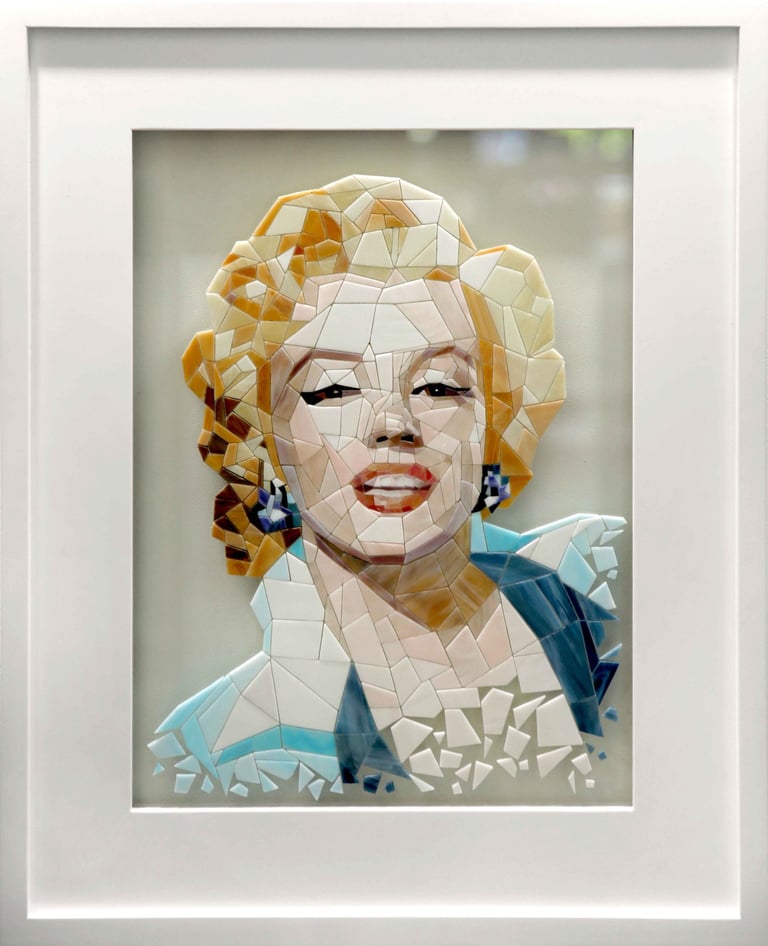
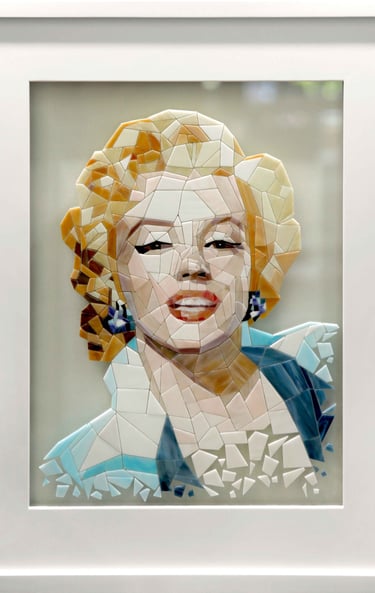
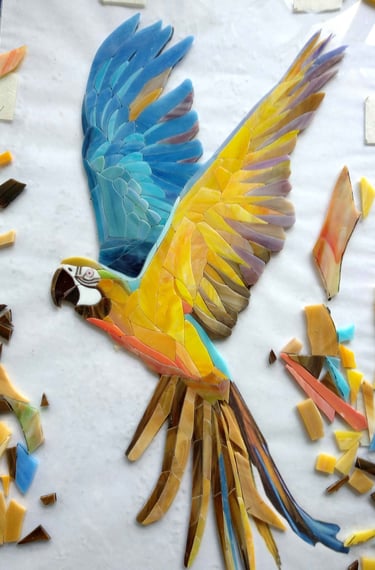
Initial Situation: The artist was creating handcrafted glass mosaic artworks without a clear market position, structured commission process, or consistent system for presenting and selling the work. Despite the distinctive technique and craftsmanship, the pieces risked being perceived as individual decorative artworks rather than rare, high-value, collectible commissions for private clients and international buyers.
What We Did:
— Defined the artistic concept and positioned the work around craftsmanship, rarity, and one-of-one creation
— Structured the offering around custom portraits, private commissions, and limited annual availability
— Developed a clear commission process from initial concept and client approval through material selection, production, framing, and delivery
— Established standards for artistic direction, materials, presentation, photography, and client communication
— Created a system for managing custom requests, international inquiries, packaging, and delivery coordination
— Positioned each piece as an exclusive work created specifically for one client and never reproduced
Business Outcome:
— Transformed individual mosaic artworks into a structured premium commission offering
— Created a clear client process for consultation, concept development, production, approval, and delivery
— Established limited availability of up to four projects per year to protect quality, rarity, and production control
— Strengthened the positioning of each artwork as a one-of-one handcrafted piece rather than a standard decorative product
— Established a controlled foundation for private commissions, international clients, collector relationships, and selected luxury or brand collaborations


10 / Independent Music Label — Artist Development, Production & Release Platform
Project Type: Creative Venture Development & Music Platform
D7 Role: Concept Development, Brand Positioning, Artist Development Model, Production & Release Strategy
Location: New York / New Jersey, USA — International Distribution
Project website — View
Initial Situation: The project began as a collaborative idea between the client, investor, and D7 team to create an independent music label with a strong creative foundation. There was no defined market position, artist development model, production structure, release system, or coordinated approach to marketing and distribution. Without a clear operating model, the project risked becoming a series of disconnected music releases rather than a recognizable and sustainable platform.
What We Did:
— Co-developed the label concept, strategic direction, brand identity, and creative framework
— Positioned the project as a craft music label focused on quality, originality, and selective artist development
— Structured a full-cycle model connecting artist concept, music production, visual development, release, promotion, and distribution
— Organized production workflows across composing, recording, mixing, mastering, artwork, video, and multimedia content
— Developed the artist development, release planning, marketing, PR, and audience communication framework
— Established distribution across streaming platforms, with the option of selected physical formats
— Created a foundation for live events, creative collaborations, community development, and future artist partnerships
Business Outcome:
— Transformed the initial idea into a structured independent music platform with a defined identity, operating model, and creative direction
— Created a coordinated path connecting artist development, production, visual identity, release strategy, marketing, and distribution
— Differentiated the label through a selective, quality-focused model rather than high-volume music production
— Aligned the creative vision, operational structure, and investor participation within one collaborative venture model
— Established a scalable foundation for artist development, music releases, streaming distribution, live experiences, creative collaborations, and long-term audience building


09 / Body Art — Branded Content & Creative Campaign Production
Project Type: Creative Service Development & Commercial Positioning
D7 Role: Business Concept, Market Positioning, Package Development, Creative Direction & Client Process
Location: New York / New Jersey, USA — Remote Production for Selected Markets
Project website — View
Initial Situation: The concept had strong visual potential, but there was no clear commercial position, structured offer, or defined process for brands and agencies. Without a campaign-focused model, the work risked being perceived as an individual artistic service rather than a professional branded-content solution for launches, digital campaigns, editorial projects, and promotional use.
What We Did:
— Defined the commercial concept, brand identity, visual direction, and target client groups
— Positioned the service around custom body-art content for brands, agencies, and creative projects
— Structured the production model across concept development, art direction, models, styling, body art, photography, short-form video, and final content delivery
— Developed clear service packages for different campaign needs, scopes, and production levels
— Identified priority sectors including beverage, fashion, beauty, hospitality, nightlife, music, entertainment, agencies, and editorial projects
— Created the website, service presentation, inquiry flow, SEO foundation, and client communication structure
— Developed a controlled remote-production model for digital, social, web, editorial, launch, and promotional content
Business Outcome:
— Transformed an artistic concept into a structured commercial content-production service for brands and creative teams
— Created clear packages, deliverables, production stages, and usage formats that make the service easier to understand and commission
— Differentiated the project from live entertainment and general body-painting services through concept-led branded content and controlled visual production
— Established a practical foundation for campaign visuals, product launches, social media content, editorial projects, promotional imagery, short-form video, and selected creative collaborations

08 / B2B Packaging Supply & Custom Production
Project Type: B2B Supply Business Development & International Market Positioning
D7 Role: Business Model, Product Structure, Supplier Network, Pricing & Sales Infrastructure
Location: Europe / International Markets
Project website — View
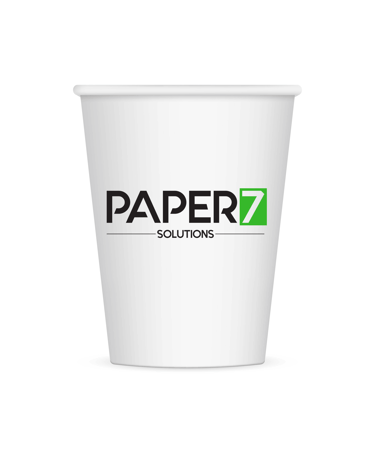
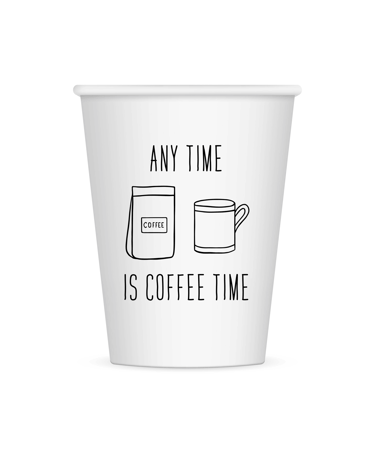
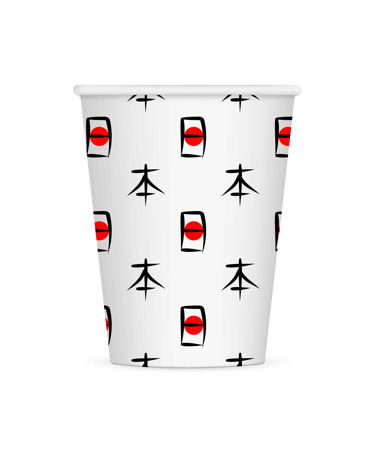
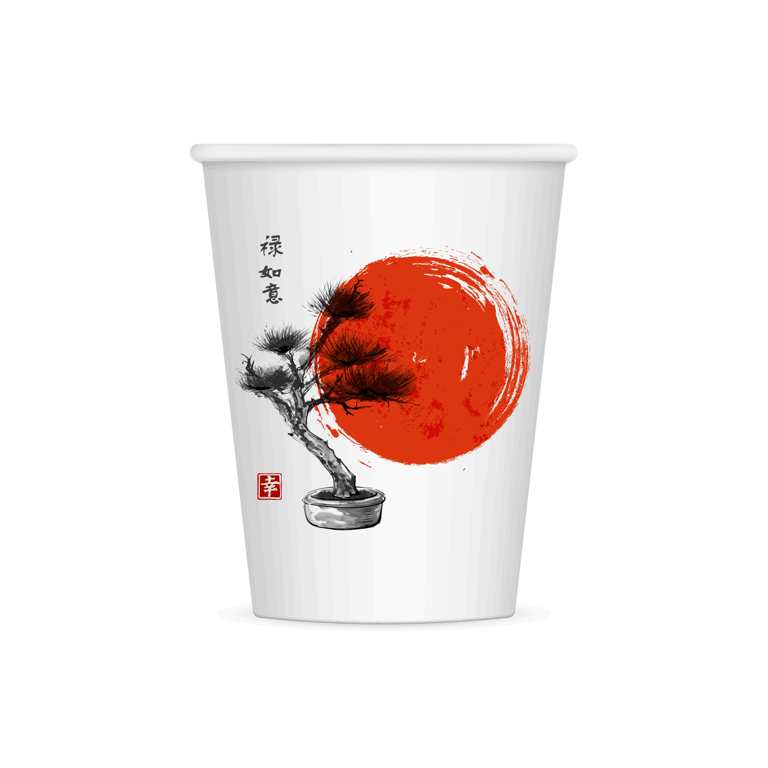
Initial Situation: The project began as an idea to supply paper cups and bags to food-service businesses. There was no defined market position, structured product portfolio, supplier network, ordering model, or sales process. Without differentiation, the business risked competing primarily on price in a market dominated by generic packaging suppliers.
What We Did:
— Positioned as a B2B packaging and supply partner for cafés, restaurants, hospitality businesses, retailers, and distributors
— Structured the product portfolio across paper cups, bags, plates, food bowls, dessert cups, and custom-branded packaging
— Developed an international supplier and production network for wholesale and private-label orders
— Created an ordering model supporting volumes from one pallet to larger wholesale and container-based shipments
— Structured custom printing, mixed-product orders, pricing levels, sourcing, and logistics coordination
— Developed the website, multilingual market presentation, inquiry process, SEO foundation, and B2B sales structure
— Defined a repeat-order model focused on ongoing supply relationships rather than one-time product sales
Business Outcome:
— Transformed the initial product idea into a structured B2B packaging supply platform
— Created a clear product, production, customization, ordering, and delivery model for food service, hospitality, and retail clients
— Differentiated the business through custom printing, flexible wholesale volumes, mixed-product options, and coordinated international supply
— Established a scalable foundation for recurring orders, private-label production, distributor relationships, wholesale supply, and long-term B2B partnerships across selected international markets

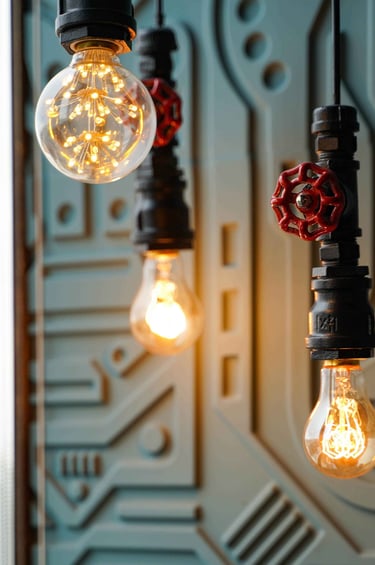
07 / LRNK — Interior Design Positioning & Strategic Partnership
Project Type: Strategic Partnership Development
D7 Role: Market Positioning, Commercial Service Structure, Website & SEO, Partnership Development
Location: Europe / United States / International Markets
Project website — View
Other Studio Projects
Initial Situation: LRNK had established interior design expertise and a growing portfolio, but its market presentation was primarily local and lacked a structured approach for attracting international and commercial clients. The studio needed clearer positioning for hospitality, retail, office, wellness, and other business environments, as well as a stronger model for working alongside business strategy, branding, customer experience, and operational planning.
What We Did:
— Developed the website structure, international market presentation, and SEO foundation
— Positioned LRNK for residential, hospitality, retail, commercial, and institutional interior design projects
— Structured the service presentation for international clients and cross-border project inquiries
— Strengthened the focus on cafés, restaurants, bars, retail spaces, offices, wellness, and other customer-facing environments
— Developed a strategic collaboration model connecting LRNK’s interior design expertise with D7’s business strategy, positioning, customer experience, and project coordination capabilities
— Created a clearer framework for supporting projects from initial business concept and spatial direction through design development and coordination with local licensed professionals
Business Outcome:
— Strengthened LRNK’s position as an internationally accessible interior design studio rather than a locally limited design service
— Created a clearer commercial offering for residential, hospitality, retail, office, wellness, and institutional projects
— Expanded the studio’s ability to present its experience and services to clients across multiple international markets
— Established a strategic partnership model combining business strategy, brand positioning, customer experience, operational planning, and interior design
— Created a scalable foundation for larger cross-border projects, commercial collaborations, and integrated hospitality and retail development
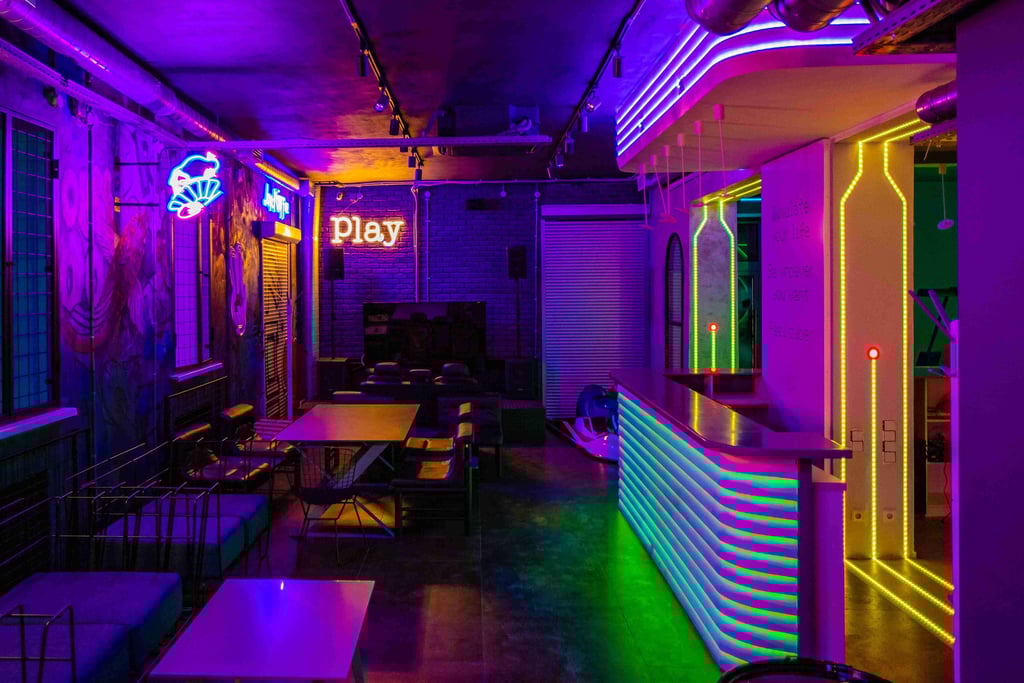
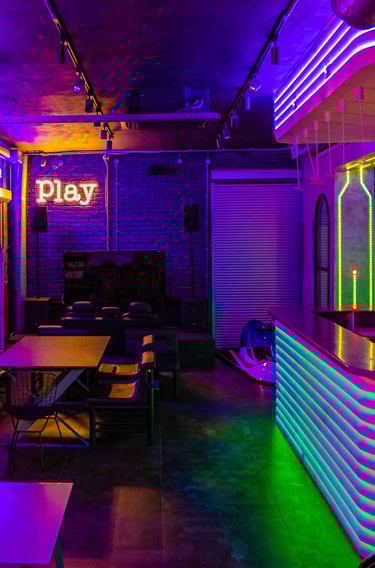
06 / Console Stadium — Entertainment Concept, User Experience & Space Planning
Project Type: Entertainment Concept Development & Commercial Space Planning
D7 Role: Business Concept, User Experience, Customer Journey & Operational Alignment
Location: Eastern Europe & Central Asia
Project website — View
Other Studio Projects
Initial Situation: The project began as a concept for a console gaming and entertainment venue. While the idea had strong visual and commercial potential, there was no defined experience model, customer journey, zoning structure, or operational logic. Without coordinated planning, the space risked becoming visually appealing but difficult to operate, monetize, and adapt to different customer formats.
What We Did with LRNK Studio:
— Helped structure the business and experience concept for individual gaming, group visits, tournaments, and private events
— Defined the customer journey, user flow, functional zones, capacity requirements, and interaction between different areas
— Connected spatial planning decisions with operational priorities and potential revenue formats
— Supported the positioning of the venue as both an entertainment destination and a commercially structured customer experience
— Coordinated the strategic and operational requirements with LRNK’s interior design process
LRNK Contribution:
— Developed the interior design concept, visual direction, moodboards, and 3D visualizations
— Planned gaming zones, equipment placement, furniture, lighting, materials, and customer circulation
— Integrated branding elements and prepared project documentation
— Supported contractor coordination and design project management
Business Outcome:
— Transformed the initial gaming-space idea into a structured entertainment concept combining customer experience, spatial planning, and business logic
— Created a clear zoning and user-flow model designed to support individual gaming, group interaction, tournaments, private events, and repeat-use formats
— Connected interior design decisions with capacity, operations, customer journey, and potential revenue opportunities
— Established a practical foundation for developing a functional, visually engaging, and commercially oriented gaming venue
— Demonstrated how business consulting and interior design can work together to create customer-facing spaces aligned with both experience and operational objectivesndation for larger cross-border projects, commercial collaborations, and integrated hospitality and retail development


05 / D7 Strategy — Business Performance & Decision Support
Project Type: Business Transformation & Strategic Repositioning
D7 Role: Business Diagnosis, Strategic Positioning, Offer Development & Operating Model
Location: New York / New Jersey, USA — U.S. & International Markets
Project website — View
Initial Situation: D7 originally operated as a studio focused primarily on branding, design, and project development. As the work expanded, it became clear that many client challenges extended beyond visual presentation. Businesses were facing unclear priorities, operational inefficiencies, margin pressure, fragmented execution, weak accountability, and customer experience issues. Creative work alone could not address the underlying business problems or provide the structure required for stronger decisions, implementation, and long-term performance.
What We Did:
— Repositioned D7 around two core areas: Business Performance and Business Second Opinion
— Structured the work around operational improvement, decision-making, execution, team effectiveness, customer experience, and risk reduction before major investments
— Developed a clear working framework: Diagnosis → Strategy → Execution → Improvement
— Created focused collaboration formats through on-site or remote kickoffs, structured strategic sprints, and ongoing operating support
— Reorganized branding, customer experience, marketing, technology, logistics, supply chain, interior design, and other specialist capabilities as supporting resources aligned with the client’s business priorities
— Rebuilt the website, market positioning, service presentation, client journey, diagnostic offer, and communication standards
— Introduced a limited-engagement model designed to support deeper involvement, stronger execution, and consistent quality
Business Outcome:
— Transformed D7 from a small studio into a focused business performance and independent decision-support practice
— Created a clearer market position centered on helping owners improve performance, regain control, and make better decisions before investing further in growth or major change
— Built an integrated delivery model connecting business diagnosis, strategic priorities, practical action planning, execution support, and specialist coordination
— Shifted the company from selling isolated deliverables toward longer-term work focused on operations, accountability, customer experience, cost control, and business performance
— Grounded the positioning in 14+ years of hands-on leadership and projects totaling more than $4.5M within a single year across retail, hospitality, beverage, wholesale, sourcing, supply chain, logistics, distribution, branding, interior design, and service-based operations
— Established a scalable foundation for business diagnostics, independent reviews, strategic sprints, ongoing operating support, and selected specialist coordination across the United States and international markets


04 / BWBAY — International Supply Chain
Project Type: Business Performance & International Supply Chain Operations
D7 Role: Operating Model, Procurement, Supplier Management, Cost Control & Risk Management
Location: New York / New Jersey, USA — United States, Europe & Asia
Project website — View
Initial Situation: BWBAY operated across international sourcing, trade, and logistics, but lacked clear positioning, structured services, and a consistent operating system. The business risked being perceived as a transactional intermediary rather than an operations and supply chain partner. Cross-border projects also involved supplier dependency, cost variability, delivery delays, fragmented responsibility, and limited visibility across multiple teams and markets.
What We Did:
— Repositioned BWBAY as an international operations and supply chain partner rather than a transactional intermediary
— Structured services across supplier sourcing, due diligence, procurement, quality control, logistics, landed cost, and operational risk management
— Built and coordinated supplier and partner networks across the United States, Europe, and Asia
— Introduced clearer workflows, SOPs, reporting, KPI tracking, escalation paths, and contingency planning
— Supported supplier negotiations, budgeting, forecasting, inventory planning, tariff analysis, cost control, and margin improvement
— Coordinated cross-functional teams of 20–40 people across sourcing, product development, procurement, logistics, marketing, and sales
— Managed multi-country projects from initial requirements and supplier selection through production, shipment, customs, and delivery
Measured Results & Business Outcome:
— Reduced operational and sourcing costs by 5–30% through supplier negotiations, procurement improvements, and logistics optimization
— Improved supplier reliability, cost visibility, reporting, and coordination across international operations
— Created clearer responsibility, escalation procedures, performance tracking, and faster decision-making
— Reduced operational exposure through advance risk mapping, alternative scenarios, and contingency planning
— Transitioned the business from fragmented transaction management to a more structured, performance-driven supply chain operating model
— Established a scalable foundation for complex international projects, recurring supply relationships, market entry, and long-term operational partnerships
03 / Cosmetics Brand — Product Development
Project Type: Consumer Brand Development & Operational Improvement
D7 Role: Product Strategy, Brand Development, Sourcing, Manufacturing & Cost Control
Location: Europe & Asia
Initial Situation: The product existed without a defined brand, market position, product strategy, or go-to-market model. In a highly competitive cosmetics category, the lack of differentiation and a structured product line limited its commercial potential. Production, sourcing, inventory, and supplier management were also not systemized, creating risks around cost control, product quality, reliability, and future growth.
What We Did:
— Developed the brand identity, packaging, product positioning, and category differentiation
— Structured the product line, customer offering, pricing approach, and market-launch strategy
— Built and managed the supplier, manufacturing, quality-control, and logistics network
— Coordinated product development, procurement, production, inventory, marketing, and sales teams
— Introduced workflows, SOPs, KPI tracking, reporting, and performance monitoring
— Improved budgeting, forecasting, COGS control, supplier contracts, purchasing, and logistics
— Developed the e-commerce, marketing, sales, and inventory structure required for market launch and growth
Measured Results & Business Outcome:
— Reduced sourcing and operational costs by 20–42% through supplier negotiations, procurement improvements, and process optimization
— Improved supplier performance, production reliability, quality control, and cost visibility
— Created clearer control over product development, purchasing, inventory, logistics, and delivery
— Strengthened product positioning, margins, and the commercial structure supporting the brand
— Connected brand strategy, product development, manufacturing, marketing, and sales within one coordinated operating system
— Established a scalable foundation for expanding the product line, sales channels, production volumes, and distribution


02 / BeNext Promo Group — Event Production, Live Operations & Crisis Management
Project Type: Founder-Led Event Production & Operating Experience
D7 Role: Event Strategy, Project Management, Team Coordination & Live Execution
Location: Eastern Europe
Initial Situation: Promo Group was launched as an event and entertainment venture focused on nightlife, concerts, private events, and corporate projects. In a fast-moving environment, successful delivery required precise coordination across artists, venues, contractors, production teams, marketing, logistics, and live operations. Each project carried significant timing, execution, and reputational risks.
What We Did:
— Developed event concepts, positioning, promotional campaigns, and audience-engagement strategies
— Managed full-cycle production from planning and vendor coordination through setup, live execution, and post-event content
— Produced corporate events, private functions, concerts, and large-scale nightlife projects
— Coordinated artists, DJs, venues, contractors, production teams, logistics, photography, and video
— Led cross-functional teams and managed schedules, responsibilities, budgets, and operational priorities
— Handled real-time problem-solving, last-minute changes, crisis response, and on-site decision-making
— Supported long-term artist, venue, vendor, and promotional partnerships
Measured Results & Business Outcome:
— Delivered events for audiences ranging from 50 to more than 1,500 guests
— Built full-cycle capabilities across event strategy, production, logistics, promotion, and live operations
— Developed practical systems for coordinating multiple stakeholders under strict deadlines and changing conditions
— Strengthened leadership, crisis-management, and execution capabilities in high-pressure environments
— Established the operational foundation for the project-management, execution, and crisis-response approach later applied across D7 projects


01 / Music Band & Creative Collaboration — Artist Development
Project Type: Artist Development & Creative Venture Development
D7 Role: Concept Development, Brand Positioning, Creative Direction, Production Coordination & Release Strategy
Location: Eastern Europe
Initial Situation: The project began as a collaboration between the artist, investor, and our team to develop a music band and supporting creative team. There was no defined market position, cohesive artist identity, consistent visual direction, release system, or long-term development plan. Music production, branding, promotion, and audience communication operated as separate activities, creating a risk of fragmented and inconsistent development.
What We Did:
— Co-developed the band concept, strategic direction, positioning, and long-term creative vision
— Created the name, brand identity, storytelling, visual system, photography, artwork, and video direction
— Structured a full-cycle artist-development process connecting music creation, production, release, promotion, and distribution
— Coordinated recording, mixing, mastering, visual production, streaming distribution, and release planning
— Developed the marketing, PR, content, audience communication, live-performance, and event-promotion framework
— Created a structure for future collaborations, releases, community development, and potential label integration
Business Outcome:
— Transformed the initial idea into a cohesive music project with a defined identity, creative direction, and development structure
— Connected artist branding, music production, visual content, release planning, promotion, and distribution within one coordinated system
— Created a consistent framework for presenting the band across streaming platforms, social media, live performances, and promotional materials
— Replaced fragmented creative activity with a clearer process for developing, producing, and releasing music
— Established a structured foundation for future releases, artist development, creative collaborations, live activity, international distribution, and long-term audience building
Bell Works | 101 Crawfords Corner Rd. Holmdel, NJ 07733, USA | View Location
© D7 Strategy. 2026
For Business
Talent Search & Hire
Investors